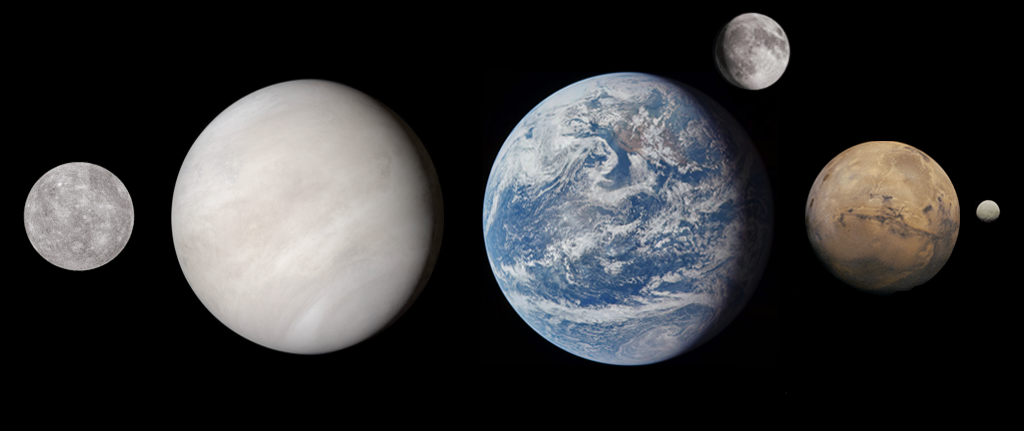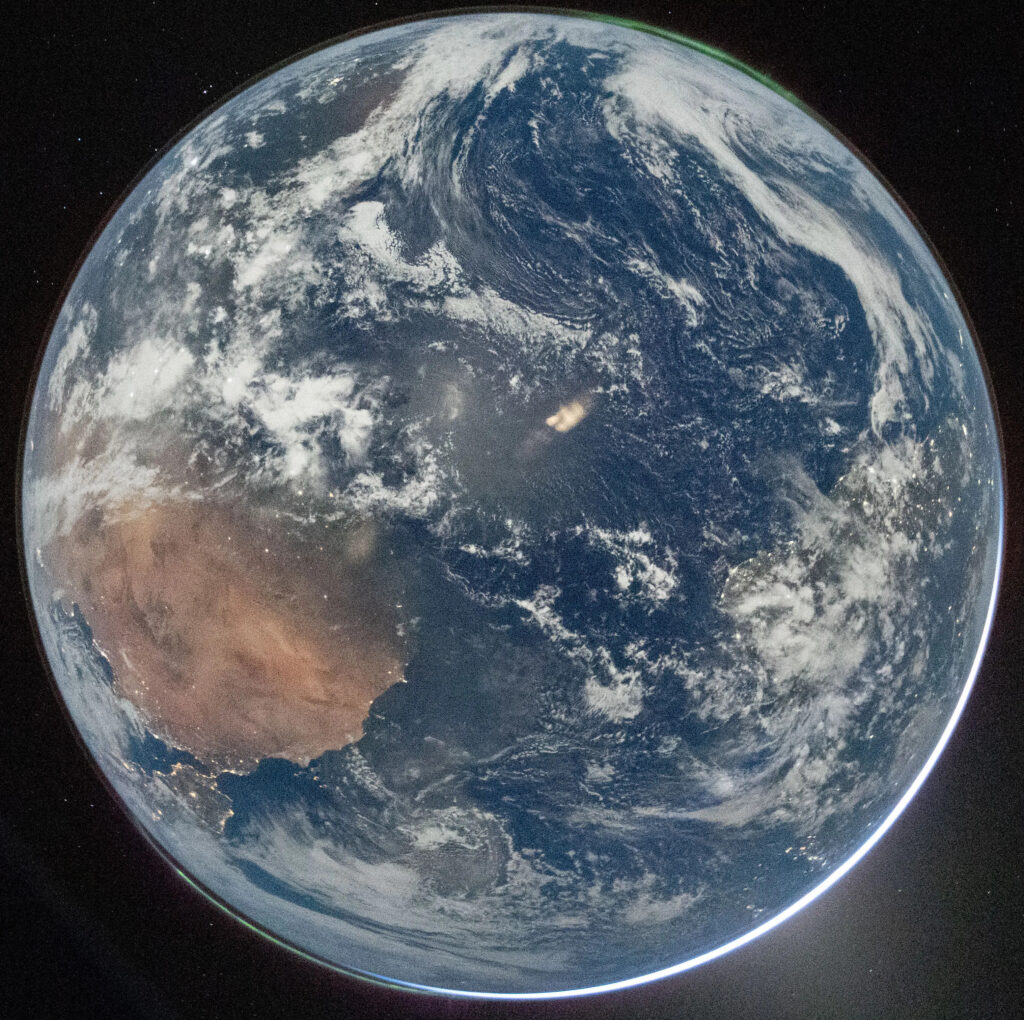
This is our home, planet Earth. It is the third planet from the sun, and is the largest of the terrestrial planets. 71% of the Earth’s surface is covered by water. It has an atmosphere made up almost entirely of Nitrogen (78%), and Oxygen (21%). The minimum surface temperature of Earth is about -89.2o C (-129o F) to 56.4o C (134o F). Here is some detailed information about Earth. Go here to learn about the terms used in the tables about the planets.
Orbital Information about Earth
| Parameter | Actual Measurement | Scaled to our model |
| Aphelion | 94.5 Million Miles | 2.44 miles |
| Perihelion | 91.4 Million Miles | 2.36 miles |
| Eccentricity | 0.017 | |
| Sidereal Orbit Period | 365.25 earth days | |
| Ave. Orbital Velocity | 66,608 MPH | 9.1 ft/hr |
| Number of Moons | 1 (the moon) |
Physical Characteristics of Earth
| Characteristic | Actual Measurement | Scaled to our model |
| Ave. Diameter | 7917 miles | 13 inches |
| Mass | 5.97 x 1024 kg | |
| Surface Gravity | 9.81 m/s2 | |
| Sidereal Day | 23 hrs 56 min 4.1s | |
| Synodic Day | 24 hrs |
Visualizing Earth in our scale model of the solar system
A Globe
The great thing about this model is that planet Earth would be about 13″ in diameter in this model, which is almost exactly the size of a typical desktop globe. The model we are most used to seeing of our home planet is exactly the right size to fit into the DFW solar system model.

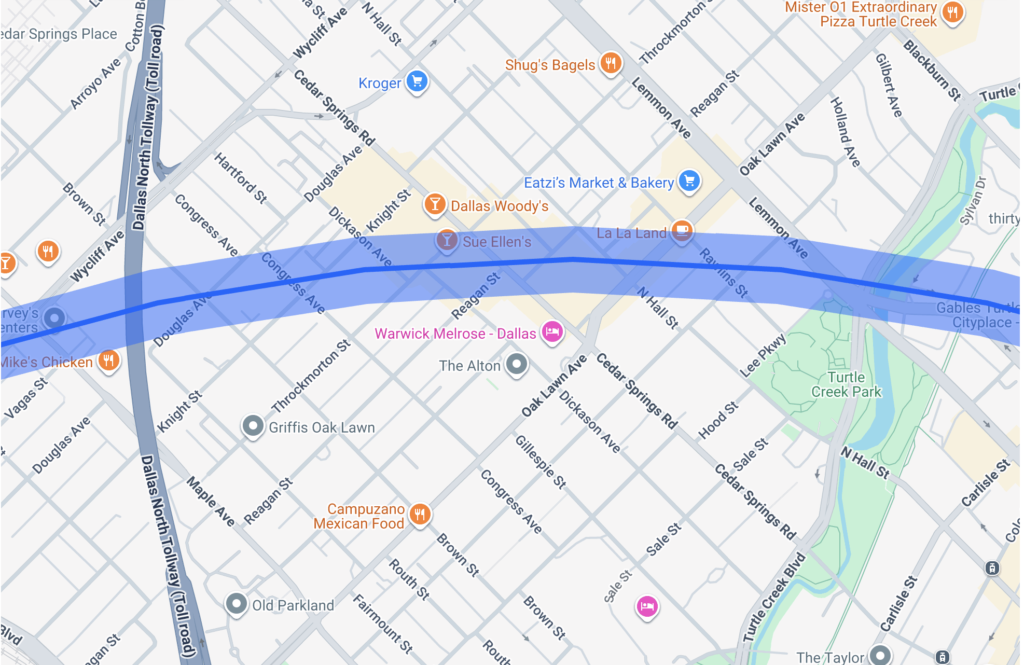
Here is what the orbital path of Earth would look like overlaid north of Dallas. Visit our orbits page to see this on an interactive map.
The Moon
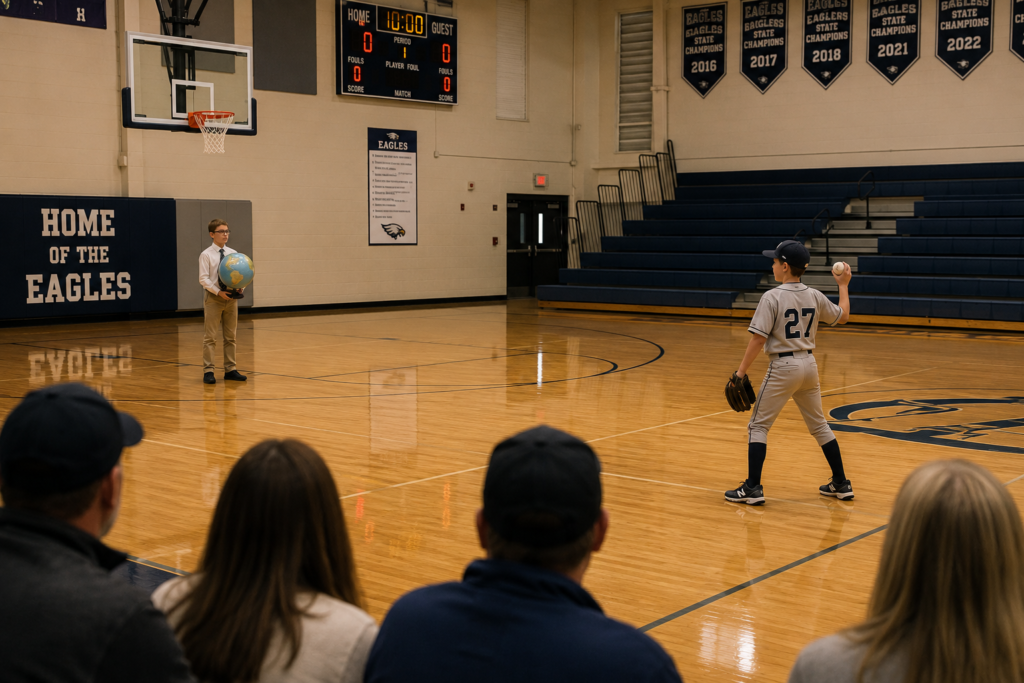
This should help you get a sense of the size and distance to the moon. On our scale, the moon is a little bigger than a baseball and the distance between the globe that represents earth and the baseball sized moon is a little less than half of a regulation basketball court.
Size comparisons of the inner planets (and Ceres)